

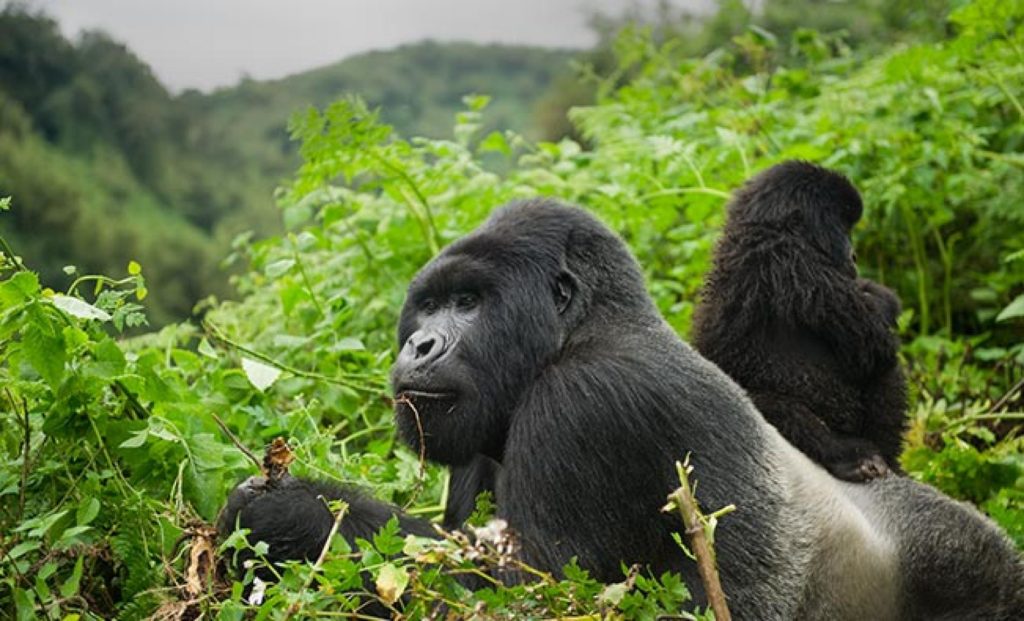
Gorillas have a complex and social way of life, living in close-knit family groups led by a dominant silverback male. Their lifestyle is characterized by strong social bonds, a primarily herbivorous diet, and a structured daily routine.
1. Social Structure and Family Life
Gorillas live in troops or families, usually consisting of:
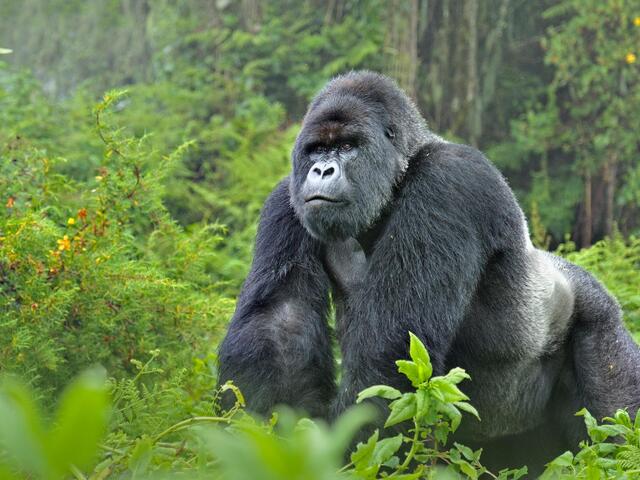
- A dominant silverback (an adult male over 12 years old) who leads and protects the group.
- Several adult females, who are responsible for raising the young.
- Juveniles and infants who stay close to their mothers.
- Occasionally, younger males (blackbacks) who may challenge the leader or leave to form their own groups.
- The silverback maintains order, settles conflicts, and determines the troop’s movements.
- Gorillas exhibit strong emotional connections, often seen grooming and playing with each other to reinforce bonds.
2. Daily Routine
Gorillas follow a predictable daily pattern:
- Morning: They wake up at dawn and spend several hours foraging for food.
- Midday Rest: They take long breaks to rest, groom, and interact socially.
- Afternoon: More feeding and moving through the forest to find better food sources.
- Evening: Before nightfall, each gorilla builds a fresh sleeping nest from leaves and branches either on the ground or in trees.
3. Diet and Feeding Habits
Gorillas are primarily herbivores, feeding on:
- Leaves, stems, and shoots (especially bamboo).
- Fruits, bark, and roots.
- Occasionally, small insects like ants and termites for protein.
- They spend much of their time feeding, consuming large amounts of vegetation to sustain their large bodies.
4. Communication and Behavior
Gorillas communicate using a variety of vocalizations, body postures, and facial expressions:
- Grunts and hoots signal contentment or warnings.
- Chest beating (by silverbacks) shows dominance or serves as a warning.
- Eye contact and body language convey emotions such as submission or aggression.
- They are generally peaceful but will display aggression if their group is threatened.
5. Reproduction and Parenting
- Female gorillas give birth about every 4-6 years, with a gestation period of approximately 8.5 months.
- Infants are dependent on their mothers for the first few years and are carried on their backs after they outgrow being cradled.
- The silverback plays a protective role in raising the young, ensuring their safety from external threats.
6. Movement and Habitat
- Gorillas are mostly terrestrial, moving on all fours (knuckle-walking), but they can climb trees, especially to access fruit.
- They inhabit dense forests, such as Uganda’s Bwindi Impenetrable National Park and Mgahinga Gorilla National Park, where they move daily in search of food and safe resting spots.
7. Intelligence and Problem-Solving
- Gorillas are highly intelligent and can use tools, such as sticks to measure water depth or leaves as sponges.
- They exhibit emotional intelligence, such as mourning their dead and expressing joy during play.

8. Conservation Challenges
Despite their peaceful way of life, gorillas face threats such as habitat destruction, poaching, and diseases transmitted by humans. Conservation efforts focus on protecting their forest habitats and promoting eco-tourism to benefit local communities.
In summary, gorillas lead a structured and socially rich life, balancing their time between feeding, resting, and social interactions within their close family units.

Comment (0)